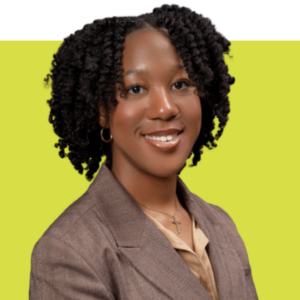
Jenzy Walugembe is a MCH Graduate Certificate student at the University of Wisconsin Milwaukee’s Joseph J. Zilber College of Public Health.
The Intersections Between Lived Experiences and Maternal and Child Health
About You
- What is your Maternal and Child Health (MCH) focus area? What do you want other MCH students to know about this particular issue within our field?
When it comes to MCH, I aim to address health disparities among women and children of color. I focus on harm and stigma reduction efforts especially in communities highly affected by substance use, as well as increasing access to prenatal/postnatal care to all mothers.
One of the most important things for students to know about the MCH field and these particular issues is its interconnectedness. Creating interventions for one area could lead to subsequent domino effects, ultimately affecting other components of health in a positive way.
- What words do you use to describe yourself?
I describe myself as empathetic and resilient.
Project or Practicum Experience
- Describe a specific project, practicum or internship you participated in. What was your role and what did you work on?
I have been involved in projects that indirectly target MCH. The Rise Drug Free Coalition collaborates with a number of partners, including the city of Cudahy, the North shore, the Milwaukee Health Department, Aurora hospital, and other community organizations. I worked with the Community Advocates Public Policy Institute as the Drug Free Milwaukee Coordinator. Our main goal was to spread awareness and education about the dangers of substance use. My most recent project has been working with the Student Advocates and Alumni for MCH Equity at the University of Wisconsin Milwaukee in different projects that mainly focus on maternal or children’s health and hygiene.
- Which MCH Leadership Competency (or competencies) most connects to this work? What were key outcomes or impacts from your project—on the community, organization/agency or yourself?
In all my projects and work experience, the competencies that most connect with my work are Competency 8) Honoring Lived Experience and Competency 6) Negotiation and Conflict Resolution. These competencies are especially important to highlight when coming up with interventions that community members will positively respond to and accept. Understanding why community members live their lives a certain way helps public health professionals know how to handle and work around conflict. It helps people understand how to create space for negotiation, where all parties across communities feel heard. When members actively take part in creating solutions within their own community, these interventions are more likely to continue. Even after public health professionals leave, the intervention will keep on making a positive impact in the community.
Key outcomes include the long standing collaboration and participation from community members. On August 31st every year, the Rise Drug Free Milwaukee Coalition holds International Overdose Awareness Day where we remember people who lost their lives to drug overdoses. The continued engagement with the community fosters relationships with folks who now help coordinate, participate, and plan this event. As coalition members, they frequently supply harm reduction resources provided to the people around their organizations. These free resources lead to reduction in drug overdose cases and fatalities. Being able to have community partners house these resources ensures that they are readily available and accessible (in reach) to people of the Milwaukee community.
Reflection and Growth
- Explore the role of self-reflection in your growth as an MCH professional. How has reflecting on your learnings or experiences helped you align your career goals with the MCH competency/competencies you previously mentioned?
Self-reflection has been a crucial part to my journey especially when it comes to reflecting on my own experiences being from Kampala, Uganda. I am not new to having to adapt my lifestyle to a different way of life. It has given me the tools to create a space where people can feel heard. My own experience from home affects how I view and interpret situations in my career. Being able to make health comparisons gives me a different perspective on how to look at issues we see today and also helps me create interventions using similar situations I have seen back home. My experiences deepen my understanding of the public health field and show me the importance of both collaboration and evidence-based practices to tackle issues.
- How do you define leadership in MCH, and what kind of leader do you hope to be?
When it comes to MCH, I aspire to be a collaborative leader. I believe two heads are always better than one. Quick and unplanned decisions will not last and create little to no impact. My goal is to create meaningful change in the MCH field and this can only be done when as professionals we encourage others to freely share their insights.
- What is one tool, class, resource or product that you’d suggest other MCHers check out, and why?
Right now, as it is not a full degree course, I would recommend every public health professional pursue a certificate in MCH. Understanding the deep-rooted causes of health disparities among women and children is a key step in creating long term solutions. MCH is interconnected and a simple thing as improving access to prenatal care for everyone, regardless of socioeconomic status, could lead to beneficial effects to both mother and child. I encourage students to join an interest group specifically targeted at MCH to continuously learn from their peers even after graduation.
- What is one insight you want to share with a prospective student considering joining the MCH field within public health at large?
The MCH field is a large multifaceted field. Be ready to learn and challenge yourself. Collaboration is key! You will learn so much from people who came into the field before but also remember that you have a lot to offer as well. Let your insights be known and contribute to conversations, you never know what ideas you may have that could be the key to a long standing health issue. Good luck to you all!